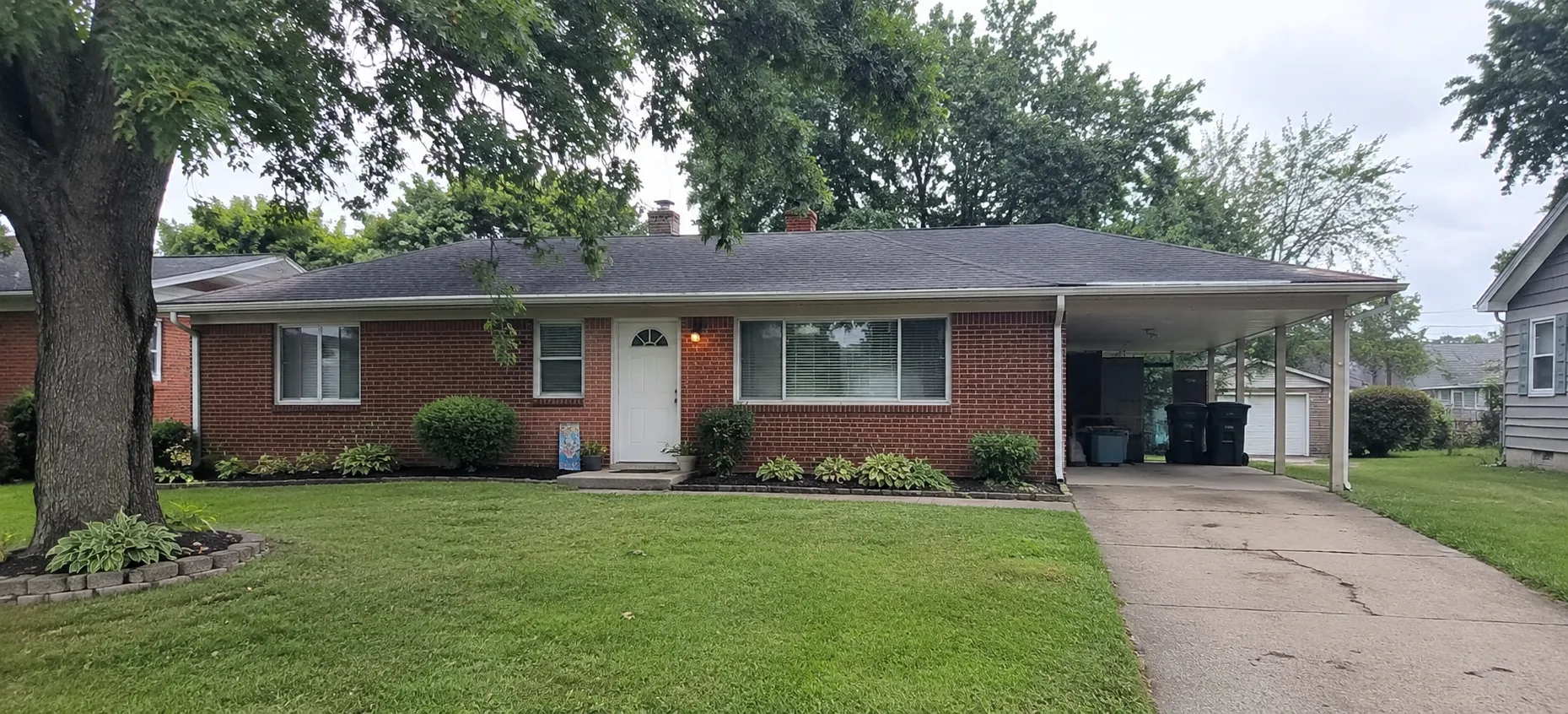
Sell a Rental Property in Columbus, OH Without Taking on Another Landlord Project
Owning a rental can work well for years and then stop fitting the reason you bought it. Repairs get more expensive, tenants move out, rent no longer covers enough of the carrying costs, or managing the property simply becomes something you no longer want to do.
Landlords looking to sell a rental property in Columbus usually need to answer a few questions before choosing how to sell. Is the property occupied? How much longer does the lease run? Does the house need work? Would another investor want the tenant in place? What will taxes do to the final numbers?
Sell to Sean buys rental houses directly in Columbus, including properties with repairs, deferred maintenance, and tenants still living in the home. You can get an as-is cash offer before deciding whether to list, renovate, wait for the lease to end, or continue managing the rental.

The Rental Is Occupied
A tenant does not automatically have to move just because the property is being sold. Start by reviewing the lease, rental term, payment history, security deposit, and any agreements already made with the tenant.
The Rental Is Vacant
Vacancy removes tenant coordination but also means there is no rent coming in. Utilities, insurance, taxes, lawn care, repairs, and the mortgage can continue while the property sits.
The House Needs Work
Landlord properties often accumulate repairs between tenants. Selling as-is can avoid another round of flooring, paint, appliances, plumbing work, cleanup, or contractor scheduling.
Can You Sell a Rental Property With Tenants in Columbus?
Yes. A rental property can be sold while tenants are still living there. The important part is understanding the lease and respecting the tenant’s existing rights during the sale.
A fixed-term lease does not normally disappear simply because the house changes owners. The buyer generally takes over the landlord role subject to the existing tenancy. Month-to-month rentals work differently and can involve statutory notice requirements if the tenancy is going to end.
That distinction matters before marketing the house as vacant. If the lease still has several months remaining, an investor willing to purchase the property with the tenant in place may be a better fit than a retail buyer who wants to move into the home.
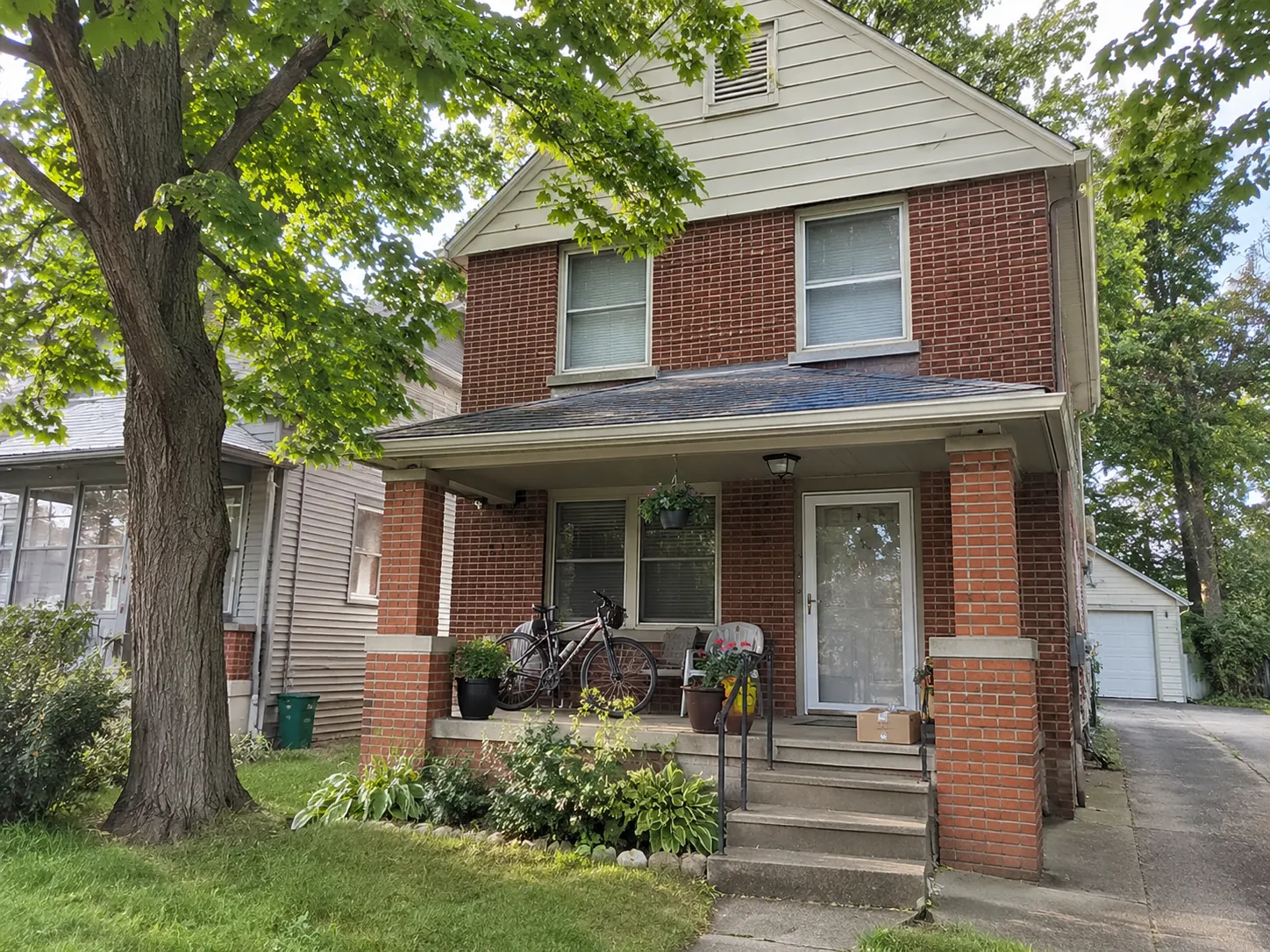
Selling a Tenant-Occupied Rental Without Creating Unnecessary Disruption
Tenants still have a home to live in while you are selling the property. Give proper notice before entering, keep showing requests reasonable, and explain what is happening instead of leaving the tenant to guess why buyers are suddenly visiting.
Ohio law generally requires reasonable notice before landlord entry, with 24 hours presumed reasonable in ordinary circumstances. Tenants also cannot unreasonably refuse access when the property is being shown to prospective purchasers.
A direct sale can reduce the number of visits compared with preparing a house for repeated retail showings. If the buyer is willing to purchase the rental with the tenant in place, the sale may also avoid forcing the ownership change and tenant move to happen at the same time.
Should You Wait Until the Tenant Moves Out Before Selling?
Waiting may make sense if the lease is almost finished, the tenant has already planned to leave, and the property will appeal to a wider group of buyers once vacant. A vacant home can be easier to clean, repair, photograph, inspect, and show.
Waiting also has a cost. Another lease term may mean more maintenance responsibility, while a vacancy means carrying the property without rent. Landlords who already know they want out should compare those costs with what an investor would pay for the property today.
If the current tenant pays reliably and takes care of the home, occupancy may actually be useful to another landlord. A performing rental can offer immediate income rather than requiring the buyer to find a new tenant after closing.
When Being a Landlord Is No Longer Worth It
A rental does not have to be losing money for the owner to decide it is time to sell. Some landlords simply reach a point where the return no longer justifies calls about maintenance, lease renewals, tenant turnover, accounting, inspections, and unexpected repairs.
The calculation becomes even more important when a major expense is approaching. A roof, HVAC system, plumbing repair, foundation issue, or full turnover renovation can consume several years of rental profit at once.
If you have become a tired landlord in Columbus, selling the property can convert the investment back into cash and end the ongoing management responsibility.
What If the Rental Has Problem Tenants?
Late rent, property damage, unauthorized occupants, lease violations, and poor communication can make an otherwise reasonable investment difficult to manage. Those problems do not automatically mean the property has to be vacant before it can be sold.
The lease, payment records, notices, and any pending legal action should be disclosed accurately to a prospective buyer. Do not promise that a tenant will be gone by closing unless you actually have the legal ability and timeline to deliver the property vacant.
A buyer experienced with rentals may be more comfortable evaluating a difficult tenancy than a traditional owner-occupant buyer. If an eviction or other legal matter is already underway, coordinate the sale with the attorney handling that issue so the buyer understands exactly where things stand.
Sell a Rental House That Needs Repairs
Rental wear can accumulate one turnover at a time. Carpet is replaced, walls are patched, appliances age, plumbing problems appear, and eventually the house may need more work than another basic make-ready.
A landlord preparing for a retail sale may decide to renovate the property after the tenant leaves. That could mean new flooring, paint, kitchen updates, landscaping, repairs, and several weeks without rental income.
Working with cash home buyers in Columbus, OH provides another option. Sell to Sean can evaluate the rental as-is so you can compare a direct offer with the expected cost and net return of renovating before selling.
Sell After Renovating
Repairing the property may make sense when the work is manageable, there is enough cash available to complete it, and the expected increase in net proceeds makes the project worthwhile.
Include vacancy, utilities, insurance, taxes, contractor costs, and the time spent managing the project when comparing this option.
Sell the Rental As-Is
An as-is sale can work better when the property needs substantial repairs, you live outside Columbus, the tenant situation is complicated, or you simply do not want to put more capital into the investment.
Instead of renovating first, the repair costs are considered when the buyer evaluates the property.
Review the Lease Before You Put the Property Up for Sale
The lease tells you more than the monthly rent. Check the expiration date, renewal language, security deposit, responsibility for utilities, notice requirements, and any terms related to landlord access or a sale of the property.
Keep copies of payment records and tenant communications as well. A buyer taking over an occupied rental will want accurate information about the tenancy rather than only a verbal summary.
If the arrangement is month-to-month, Ohio has specific notice rules for ending the tenancy. Do not assume giving a tenant exactly 30 days from any date automatically creates the correct termination date. Review the lease and current Ohio requirements before sending notice.
What Happens to Showings When a Tenant Still Lives There?
Tenant-occupied properties require more coordination than vacant houses. Ohio tenants cannot unreasonably withhold access for the landlord to show the property to prospective purchasers, but landlords also have a duty to provide reasonable notice and enter at reasonable times.
Repeated last-minute showings can create unnecessary conflict. When possible, coordinate access in advance and limit the number of visits. A direct buyer may require fewer walkthroughs than a traditional listing that brings multiple prospective buyers through the rental.
If your tenant has been cooperative, keeping the communication respectful can make the ownership transition easier for everyone involved.
Do Not Assume Selling Means the Tenant Has to Leave
The sale of the property and termination of the tenancy are two different issues. A valid lease can continue after ownership changes, and the new owner generally steps into the landlord relationship.
If vacant possession is important to a particular buyer, determine whether the lease and Ohio law allow the tenancy to end on the required timeline before agreeing to deliver the property empty.
Taxes Can Change the Real Profit From Selling a Rental
An investment property has different tax considerations from a typical primary residence. Depreciation claimed during ownership affects the property’s adjusted tax basis, and part of the gain associated with depreciation can receive different tax treatment when the rental is sold.
A landlord planning to buy another investment property may also want to ask a tax professional about a Section 1031 like-kind exchange. Qualifying exchanges can defer recognition of certain gains when investment real estate is exchanged for qualifying replacement real estate, but there are specific rules and timing requirements.
Talk with a CPA or qualified tax advisor before closing if taxes or a 1031 exchange could influence the sale. Once proceeds from a normal sale are received directly, it may be too late to restructure the transaction as an exchange.
What About the Security Deposit and Rental Records?
An occupied rental should have a clean handoff between seller and buyer. Make sure the lease, payment history, tenant contact information, security-deposit records, and any notices or maintenance agreements are available for the new owner.
Rent collected around the closing date may also need to be prorated through the closing statement depending on the transaction. The purchase agreement and title company can address the financial details between buyer and seller.
The tenant should receive clear information about the ownership change and where future rent and maintenance requests should be directed once the transaction closes.
Columbus Rental Owners Should Also Check Local Requirements
Rental ownership involves more than the lease. Columbus has adopted a Rental Registry program for covered residential rental properties, with registration requirements beginning in 2027. Ownership changes are one of the situations where accurate owner and operator information matters.
If you are selling a Columbus rental, keep your property records organized and confirm which local requirements apply to the address. The buyer should also understand the responsibilities they will take over if the house remains a rental after closing.
Those local administrative details are easier to handle when they are addressed during the sale instead of discovered after ownership changes.
How to Sell a Rental Property Directly to Sell to Sean
Start by sharing the property address, general condition, whether the house is occupied, and basic information about the tenancy. If there is a written lease, know the expiration date and current monthly rent before discussing the sale.
Sell to Sean can review the Columbus rental in its current condition and provide an offer without requiring you to complete a renovation first. If tenants are still living there, that information can be considered as part of the purchase rather than automatically requiring the property to be vacant.
Call (513) 540-1215 or complete our online form to provide the property details and tell us what you want to accomplish with the rental.
Sell Your Columbus Rental When the Investment No Longer Fits
A rental property should serve a purpose in your financial plans. When the income, appreciation, or long-term value no longer outweighs the repairs and management work, selling may be the better use of the equity tied up in the house.
Sell to Sean primarily buys houses in Columbus and Central Ohio. We also buy rental properties in southwest Ohio, so landlords with a property there can learn more about how to sell a house fast in Cincinnati, OH.
You do not need to wait for a bad tenant, major repair, or prolonged vacancy to decide you are finished being a landlord. Compare the numbers while you still have options and choose the sale that makes the most sense for the property.
Get an As-Is Offer for Your Columbus Rental Property
If you are ready to sell a rental house in Columbus, Sell to Sean can evaluate the property with tenants, repairs, or vacancy already factored into the situation.
Call (513) 540-1215 or complete our online form to get started.